Do Badgers Hibernate? Your UK Badger Questions Answered
Every January, the same question arrives in the inbox: do badgers hibernate? It's a fair thing to wonder when hedgehogs, dormice and bats have all disappeared and the countryside looks empty. The short answer is no — but badgers do change how they live once the temperature drops, and knowing what those changes look like makes winter badger-watching far more rewarding.
Do badgers hibernate in the UK?
No. Badgers in Britain and Ireland stay active throughout the year. There's no long winter sleep, no body temperature held low for weeks, and no need to build the sort of fat reserves a hedgehog relies on. Badgers can't afford that approach: they're large, heavy-bodied animals that need a reasonably steady supply of food, and their whole biology is built around staying awake.
What they do instead is slow down. In cold spells, badgers spend far more time underground, often emerging for only a few hours in the mildest part of the night — or not emerging at all for a day or two. A badger that fed well in autumn can still lose condition over a hard winter, so conserving energy matters. But it's a matter of degree, not dormancy.
What is torpor, and how is it different from hibernation?
Badgers do use torpor, which is best described as a short, controlled dip in body temperature and metabolism. It's a way of saving energy during a cold snap, and it's over within hours or, at most, a few days.
- Duration: hibernation lasts weeks or months; badger torpor usually lasts under 24 hours and rarely more than a few days.
- Waking: a hibernating animal takes a long time to rouse; a badger can be up and out of the sett within a couple of hours.
- Trigger: hibernation follows the season, torpor follows the weather. A mild, wet night in January can have badgers foraging as normal.
- Fuel: hibernators survive on stored fat; badgers need to keep finding food.
Where do badgers go in winter? Sett use explained
Badgers don't move to a special winter residence. They use the same setts as the rest of the year, but they use them differently.
Fewer entrances, more bedding
Through autumn, badgers carry in bedding — dry grass, bracken, leaves, occasionally hay — and you'll often find it piled outside an entrance or two while they work. In winter they tend to use fewer chambers, huddling together for warmth. Some entrances get partly plugged with soil, leaves or bedding, which cuts down draughts and keeps the internal temperature steadier. Don't mistake a plugged entrance for an abandoned sett.
Group living does the work
Badger social groups generally stay together through winter, and that's part of how they cope. Several animals sharing a chamber and a deep bed of dry vegetation are far warmer than one animal alone. Late winter is also when mating activity picks up, with most matings occurring between February and spring.
What do badgers eat in winter?
Earthworms are the staple, and worms stay within reach when the ground is damp and mild. On a hard, frozen or snow-covered night they're out of reach, so badgers switch to whatever else they can find: beetles and other invertebrates, small mammals, carrion, fallen fruit, roots and bulbs. They don't store food. There's no larder in the sett, no cache of worms put by for January.
That's why weather matters so much. A run of mild, wet nights and badgers look much as they do in autumn. A fortnight of hard frost and you'd be forgiven for thinking the sett is empty.
Are badgers nocturnal all year?
Mostly, yes. Badgers are largely nocturnal and crepuscular, and winter nights are long, so activity is squeezed into fewer hours. On quiet sites, some animals emerge well before full dark, particularly towards the end of winter. In summer, early evening sightings are common.
What to look for in the colder months
You don't need to see a badger to know one is around. Winter field signs are often easier to read than summer ones:
- Tracks in frost, mud or snow. Look for a broad paw print with five toes and clear claw marks ahead of them — badgers have powerful digging claws and they show in most footprints.
- Fresh digging. Newly scraped soil outside an entrance is a good sign of activity, even in January.
- Latrines. Small, shallow pits with droppings, often along a boundary or beside a path, refreshed regularly.
- Worn paths. Narrow, well-trodden trails, usually leading through a gap in a hedge or under a fence.
- Bedding trails. A line of dry grass or bracken pointing towards a sett entrance.
- Snuffle holes. Patches of disturbed turf where a badger has been rooting for worms and grubs.
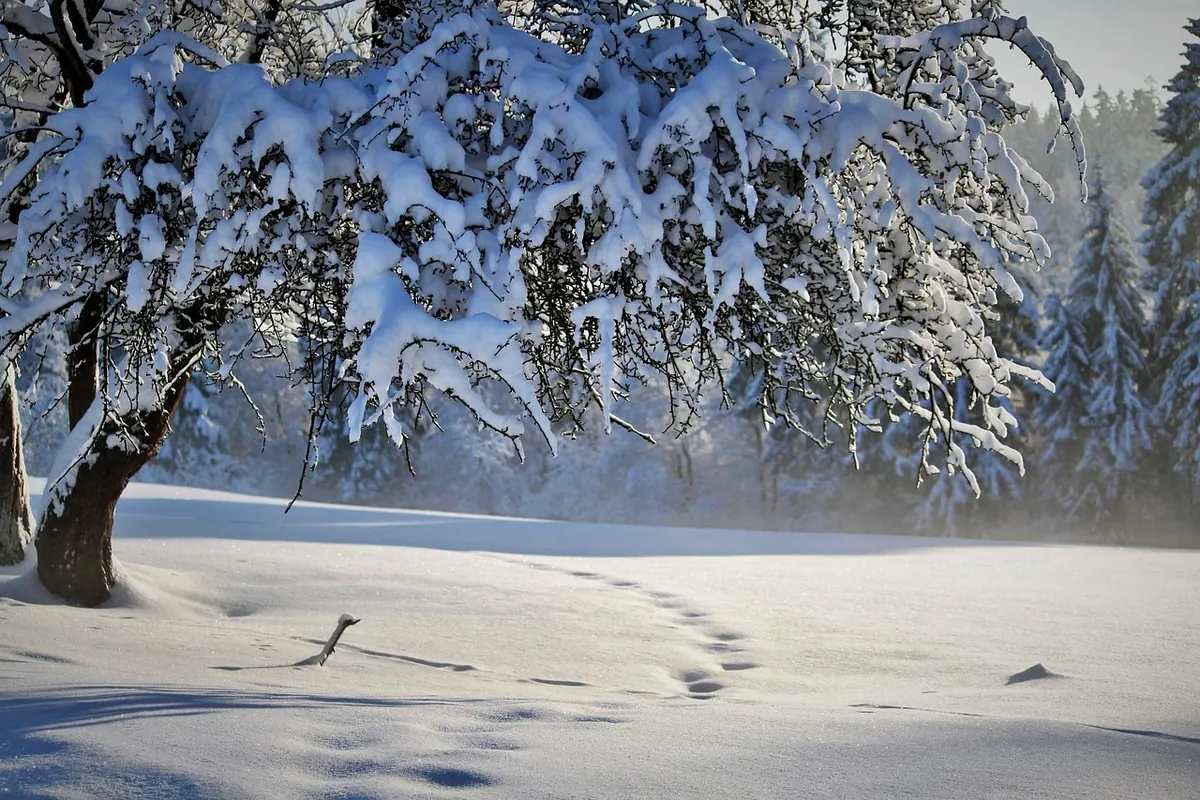
Frost and light snow are your best allies. A set of tracks across a white field tells you exactly where an animal walked, and roughly when.
Should you feed badgers in winter?
Not as a rescue measure. Badgers are well adapted to British winters and don't need handouts to get through them. Supplementary feeding is a hobby, not a necessity, and it comes with responsibilities.
- If you feed, do it consistently. An intermittent food source can pull badgers away from natural foraging.
- Keep portions small and put food out at dusk, well away from the sett.
- Suitable offerings include dog biscuits, unsalted peanuts, fruit, cheese and raisins.
- Avoid milk — most adult mammals, badgers included, digest it poorly — along with bread and anything salty or mouldy.
- Never feed beside a road, and never hand-feed or encourage badgers to lose their wariness of people.
If you're worried about an injured animal, a sick badger or a sett that seems disturbed, contact a wildlife rehabilitation centre or your local badger group rather than guessing.
Watching badgers in winter: a few practical rules
Winter watching is quieter and colder than a June evening, but the rewards are real. A few things make it easier on you and easier on the badgers.
- Choose a mild, damp night over a clear, frosty one. Worms come closer to the surface and badgers follow.
- Arrive before dusk, settle in quietly and stay downwind of the sett.
- Sit still and keep noise to a minimum. Badgers have excellent hearing and a keen sense of smell.
- Use a red filter if you must use a light, and keep it off the sett entrances. No white torches, no flash.
- Keep dogs on a lead and well away. A dog at a sett entrance can disturb the whole group.
- Don't block, dig at or peer into entrances, and don't leave food behind.
One legal point worth knowing: in the UK, badgers and their setts are protected by law, and interfering with a sett — digging, blocking entrances, disturbing the animals inside — can be a criminal offence. If you think a sett needs attention, get advice from the relevant statutory conservation body before anyone picks up a spade. For anything involving health, injury or suspected persecution, speak to a qualified wildlife professional.
Wrap up warm, be patient, and remember that a silent winter sett is rarely an empty one. The badgers are in there, sleeping more and waking when the weather suits — and a mild February night is as good a time as any to watch them.
Photo: cocoparisienne / Pixabay