How to Keep a Wildlife Diary: Monthly Prompts for UK Gardeners

Most wildlife diaries fail in the same way. You buy a handsome notebook, write a detailed entry about a fox on the first evening, then miss a day, then a week, and by March the book is a fossil. The trick is to aim far lower. Three lines scribbled while the kettle boils will tell you more about your garden over a year than one perfect page ever could.
Gardeners are already ahead here. You are outdoors most days anyway, checking pots, cutting things back, eyeing the sky for rain. A diary simply turns those minutes into something you can look back on.
What a garden diary actually gives you
A few notes a week build a record of your patch: the first frogspawn, the week the swifts arrived, the morning the last house martins left. Individually these are small events. Together they form a baseline you can measure against.
After two or three years you can start comparing. Is the first brimstone butterfly earlier than it was? Did the hoverflies turn up before the aphids, or after? Are the blackbirds nesting in the same ivy, in roughly the same week?
This matters practically as well as sentimentally. Knowing when your apple tree reaches full flower tells you when to expect pollinating insects. Knowing when hedgehogs are active helps you plan when to leave gaps in fences or leave the long grass alone. A diary turns guesswork into your own evidence, from your own garden.
What to write down, and what to ignore
Do not attempt a full species survey. Record what you noticed, plus the conditions around it. Six short lines are plenty:
- Date and time. "Tuesday 14 May, 7.10am" is far more useful than "mid-May".
- Weather. How it felt, plus cloud, wind and rain. "Grey, still, damp after overnight rain."
- What you saw, and where. The tree, the border, the pond edge, the fence, the feeder.
- Behaviour, not just names. If you cannot identify it, describe it: size, colour, movement, sound. "Small brown bird, hopping under the berberis, sharp two-note call."
- Plants. First leaf, first flower, first ripe seed, and what is being eaten.
- Anything odd. A new gap in the hedge, a hole in the lawn, a sudden absence.
Skip the rest. You are not writing for a county records committee, and nobody is marking it.
Keep the kit small
A pocket notebook and a pencil, because pencils survive rain and pens rarely do. Add your phone for photographs and voice notes, and a hand lens if you already own one. That is the whole kit.
If a notebook feels like too much fuss, use the notes app instead — but keep every entry in one place and date them all. Photograph a page of scribbles now and then, so a lost phone does not take a year of records with it.
One honest line about the weather and what you saw beats a beautiful blank page.
Seasonal prompts for the year
If you need a nudge, these give you something specific to look for each month without turning the diary into homework.
Spring (March to May)
- March: frog and toad spawn, the first bumblebee queens, buds swelling on shrubs you prune.
- April: which birds are singing before 7am, nest-building activity, first peacock or orange-tip butterfly.
- May: swift arrival dates, the first aphids and the ladybirds following them, cow parsley timing.
Summer (June to August)
- June: fledglings in the border and which adults are feeding them; bees working lavender and foxgloves.
- July: hoverflies, day-flying moths, damselflies over a pond, and the hottest, stillest evenings.
- August: which flowers are still going, hedgehog activity after dark, bats at dusk.
Autumn (September to November)
- September: swallows and martins leaving, berries and hips colouring, wasps at their most noticeable.
- October: leaf colour and leaf fall, fungi in the lawn, the first frost.
- November: birds returning to feeders, redwings and fieldfares arriving, ivy flowering for late insects.
Winter (December to February)
- December: count feeder birds on one fixed day each week, same time, same spot.
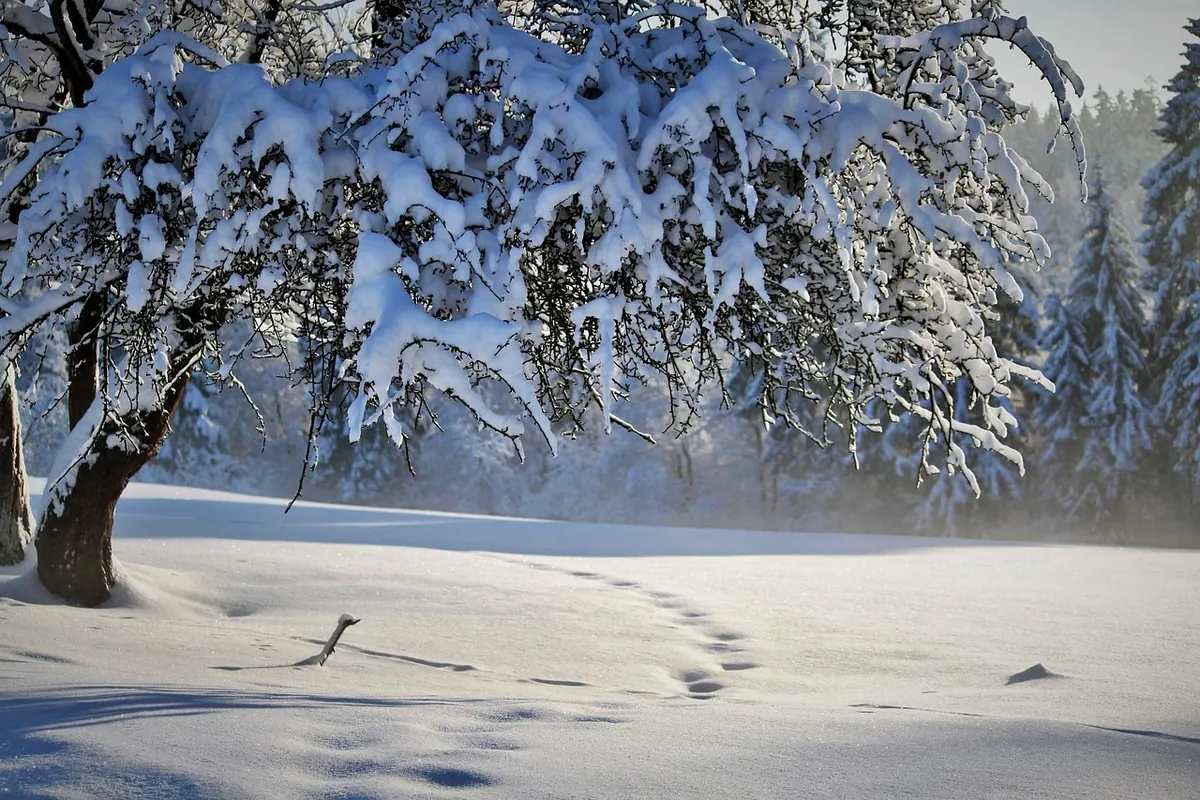
- January: tracks in frost or mud, and any frogs moving during mild spells.
- February: bumblebee queens on early crocus, and frogspawn appearing in milder areas late in the month.
Turning notes into patterns
Once a month, read back through the previous weeks. You will spot things you missed at the time: a run of dry days, a fortnight when nothing visited the pond, a shrub that flowered while the bees were absent. Note those gaps as carefully as the sightings — absence is information too.
Then once a year, ideally in the quiet of January, compare the same months across different years. Be careful with two things. First, your garden changes as it matures; a new pond or hedge will shift everything, so jot down big garden changes alongside the wildlife. Second, weather swings wildly between years, so do not treat one early spring as a trend. Look for the same thing happening three years running before you draw conclusions.
Getting started this week
Put the notebook where you already sit: by the back door, in the greenhouse, next to the kettle. Write today's date and three lines before you go to bed. Tomorrow, three more.
If you miss a fortnight, start again without apology. Nothing needs to be finished, identified or tidy. Within a season you will have a habit; within a year you will have a small, specific, entirely personal record of your patch — and something genuinely worth reading in ten years' time.
Photo: nathsegato / Pixabay