Badger Watching for Beginners: When, Where and How to Stay Hidden
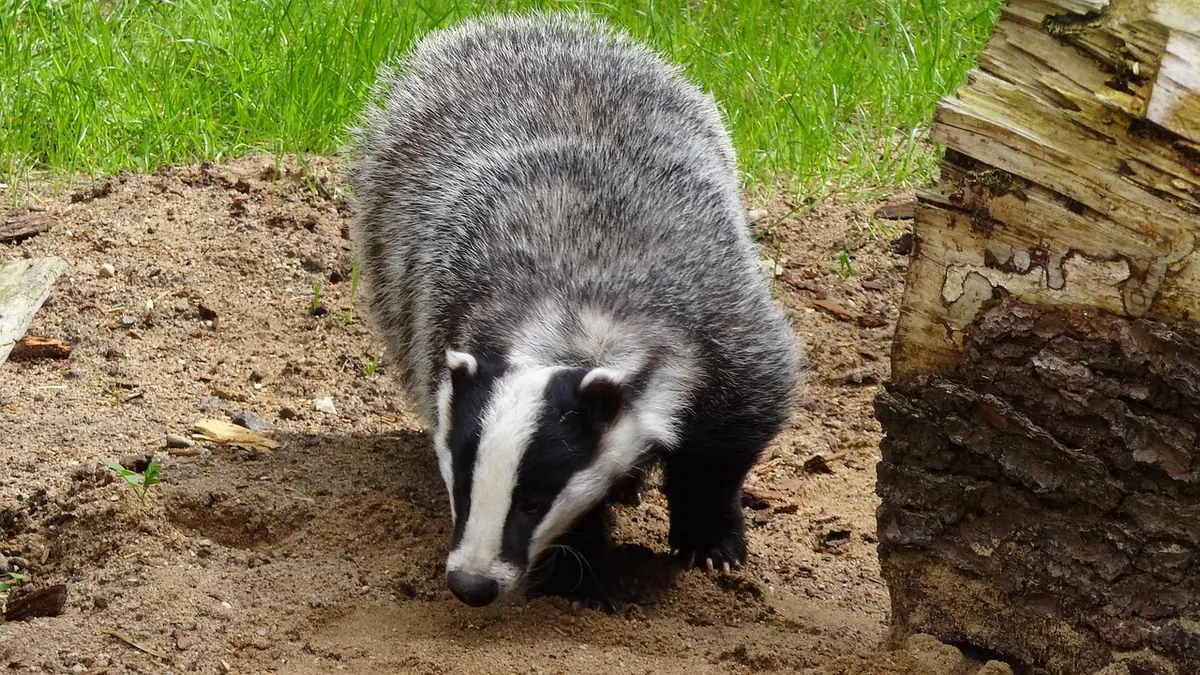
A badger sett at dusk is a quietly thrilling place. First there is nothing but a dark hole in a bank and the smell of damp earth. Then comes a shuffling sound, a striped snout, and a heavy animal moving off through the undergrowth as if you were part of the hedge. Reaching that moment takes planning, patience and almost no equipment.
Badgers are widespread across Britain and Ireland, and you do not need a licence, a hide or an expensive torch to watch them. You do need permission, decent fieldcraft and a bit of respect for the animal. Get those right and an ordinary summer evening can turn into something you remember for years.
Know the Rules Before the Badgers
Badgers and their setts are protected by law. In England and Wales, the Protection of Badgers Act 1992 makes it an offence to kill, injure or take a badger, to damage or destroy a sett, or to disturb a badger while it is in a sett. Scotland and Northern Ireland have equivalent protection under their own legislation. Quiet observation from a sensible distance is not the same as disturbance, but the line gets thinner the closer you sit and the more often you return.
If you plan to do more than watch — a photography hide near a sett, or any kind of survey — check the current guidance from the relevant body, such as Natural England, NatureScot, Natural Resources Wales or DAERA, before you start. And always get the landowner's or tenant's permission first. Farmland, woodland and even a railway embankment all belong to somebody.
In practice, good badger watching is mostly good manners: don't block entrances, don't leave scent or litter, don't visit the same sett night after night, and leave before you have overstayed.
Timing: Arrive Long Before the Badgers Do
Badgers do not emerge simply because it is dark. They emerge when they are hungry and when the coast feels clear. On a quiet sett in midsummer that can be a good half hour before sunset. In winter it may be hours after, or never, if the weather is cold and wet.
The practical rule is to be in position at least forty-five minutes before you expect anything to happen, and to plan on sitting for an hour afterwards. Arriving late is the most common reason people see nothing at all: the badgers are already out, your approach sends them straight back down, and the evening is over. Check the sunset time, work backwards, and allow extra for the walk in.
Season by Season
Spring (March to May)
Setts wake up in spring. Badgers are busy clearing out old bedding, and cubs usually appear above ground from April onwards — noisy, reckless and endlessly entertaining. The catch is that vegetation is still thin, so cover is poor and you are far more visible. Sit further back than you would in summer, and resist the urge to creep closer to the cubs. Disturbance at a breeding sett matters more than at any other time of year.
Summer (June to August)
This is the beginner's season. Evenings are long, badgers are relaxed, and you can be settled in place by eight o'clock without rushing. Emergence times are early and reliable. The drawbacks are midges, tall nettles and the fact that you will be sitting still while everyone else is in a beer garden. Approach from downwind, wear long sleeves, and accept that you will get bitten.
Autumn (September to November)
Arguably the best all-round season. Badgers are working hard to lay down fat and gathering bedding, so activity is high, and darkness falls early enough to watch on a weeknight. It is cool enough that they feel safe coming out, and cool enough that you will want a flask. Wind and rain increase, so pick a still, dry evening.
Winter (December to February)
The lean months. Badgers do not truly hibernate, but during cold, wet spells they may stay below ground for days, living off stored fat. Save your visits for mild, damp, still evenings, watch from further back than usual, and keep the visit to an hour at most. Repeated winter visits to a single sett are the quickest way to cause real disturbance.
Fieldcraft: Wind, Distance and Stillness
Badgers have poor eyesight but excellent hearing and a remarkable sense of smell. Most failed watches come down to two things: movement and wind.
- Wind first. Approach and sit downwind of the sett, with the breeze on your face. If the wind shifts, move with it. This matters more than any camouflage you can buy.
- Distance. Fifteen to twenty metres from the nearest entrance is sensible. Give more space at a sett with cubs, or in winter.
- Silence. No rustling waterproofs, no phone buzzes, no whispered commentary. Sound carries further than you think at dusk.
- Scent. Avoid scented soap, deodorant, repellent and cigarette smoke. Sit behind a bush rather than on top of a bank to break up your outline.
- Leave nothing. No litter, no food, no dogs off the lead, and never feed the badgers. Handouts encourage animals to cluster and lose their natural caution.
Red Light, Used Lightly
A low-powered red torch is the usual way to watch after dark. Red light unsettles badgers less than white light, but it is not invisible, and a bright beam sweeping across a sett will send everything underground. Keep the beam low, aimed at the ground or just in front of the animal, and switch it off between looks. Never shine a light directly into an animal's eyes, and never point one into a sett entrance.
If a badger stops, stares or turns back, that is your signal. Light off, stay still, wait. Flash photography is a different matter entirely — a flash is a shock, and repeated flashes can empty a sett for weeks. If you want photographs, work with dim red light and accept that you may come home with nothing.
Your First Visit, Step by Step
- Get permission, and check whether anyone else is already watching the sett.
- Reconnoitre in daylight. Find the entrances, note the wind direction, and pick a sitting spot twenty metres away with a clear, downwind view.
- Return an hour before sunset. Settle in, get comfortable and stay quiet for at least twenty minutes before watching properly.
- Watch with ears as much as eyes. Snuffling, scratching and bedding being dragged out are often the first signs.
- Leave quietly at dusk or when the badgers have gone. Do not follow them.
One last thing worth saying plainly: a badger's world is small, and you are a large, smelly intrusion into it. Sit still, stay downwind, keep your light low, and go home. Do that and the sett will still be worth returning to next spring.
Photo: Beeki / Pixabay