Bovine TB and Badgers: An Explainer for Concerned Wildlife Watchers
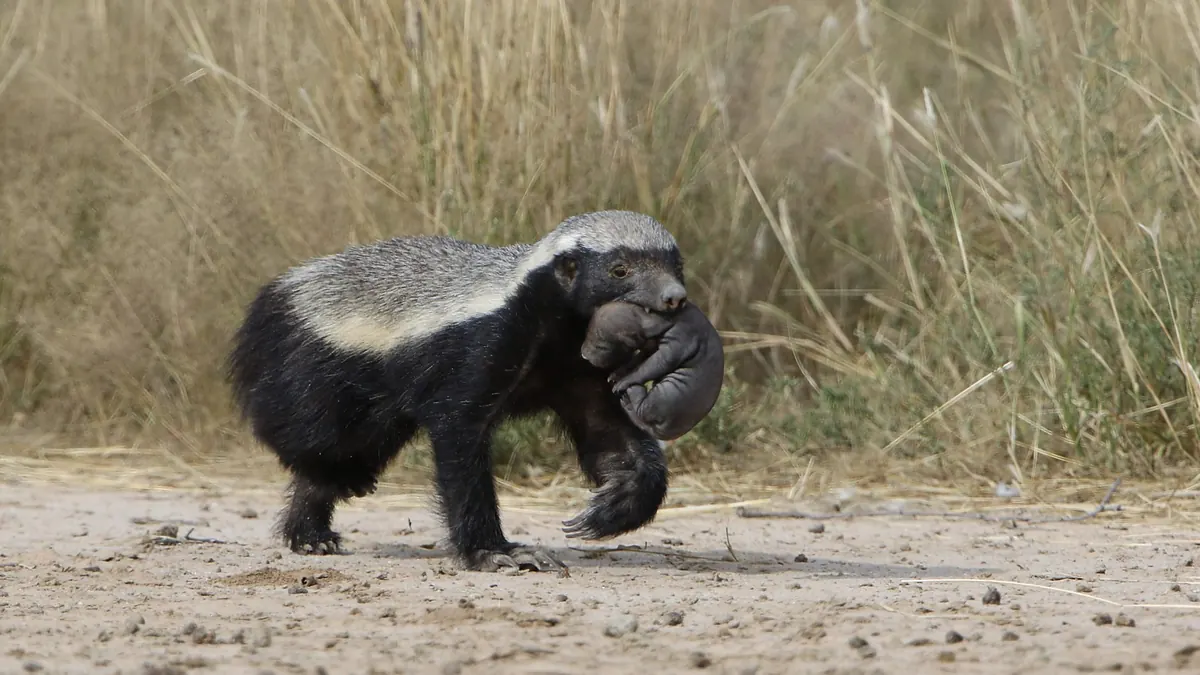
Few topics in British wildlife stir up as much feeling as bovine TB and badgers. For farmers, bTB can mean losing cattle, restrictions on movement, and months of uncertainty. For wildlife lovers, the idea of culling a much-loved native mammal is deeply troubling. This is a complex disease with no easy answers. This explainer sets out what the science currently suggests, how policy has shifted, and what you can do—whether you keep livestock or simply enjoy watching badgers.
What is bovine TB, and why does it matter?
Bovine tuberculosis is a chronic bacterial infection caused by Mycobacterium bovis. It mainly affects cattle, but can also be found in badgers, deer, goats, pigs, and other mammals. In humans, it is rare and usually linked to drinking unpasteurised milk from infected cows or very close contact with infected animals. The disease spreads through inhaling or ingesting bacteria, often from contaminated feed, water, pasture, or equipment. In cattle, symptoms may include weight loss, coughing, and swollen lymph nodes, but many infected animals look healthy. Routine testing is therefore essential.
bTB is not just a cattle problem. It is a wildlife-livestock interface issue. And because badgers are a protected species and a social mammal that lives in family groups, any control measure raises ethical and practical questions.
How do badgers fit into the picture?
Badgers can carry M. bovis and can pass it to cattle. Evidence comes from badger surveys, genetic typing that links badger and cattle strains, and field trials. But the relationship is not one-way. Cattle can also infect badgers, especially where badgers scavenge feed or share pasture and water sources.
Badgers live in setts, often in hedgerows and field edges, and travel along linear features. They may urinate, defecate, or leave infected material in areas that cattle graze or where feed is stored. A single badger with advanced disease can shed bacteria widely. But most badgers are not infected, and the disease dynamics are patchy. In some areas, badgers appear to play a significant role in maintaining bTB; in others, cattle-to-cattle transmission dominates.
The culling debate: what the evidence says
In the 1990s and 2000s, a large randomised trial—the Randomised Badger Culling Trial—tested whether culling badgers could reduce bTB in cattle. The results were mixed. Proactive culling, where many badgers are removed over a wide area, reduced bTB in cattle inside the cull zone but increased it on the edges. The likely reason is perturbation: surviving badgers moved more, mixing with other groups and spreading infection. Reactive culling, triggered by a TB breakdown, made things worse.
Despite the uncertainty, governments in England have licensed badger culls in some areas, alongside stricter cattle controls. Supporters argue that culling is necessary to protect farm businesses and that it must be done intensively and over a wide area to be effective. Opponents point to the trial's edge effects, the cost, and the ethical concerns. They also argue that culling can never be a standalone solution.
Wales has used badger vaccination as a key part of its approach, alongside cattle controls. Scotland is officially free of bTB. This patchwork approach reflects the different scientific advice and political priorities across the UK.
Vaccination and other alternatives
Badger vaccination using the BCG vaccine is already used in some areas. It does not cure infected badgers, but it can reduce the spread of disease within the population. Oral vaccines are being developed, which would be easier to deploy. The challenge is that vaccination is labour-intensive and must be repeated to maintain immunity.
Vaccinating cattle is more complicated. A BCG vaccine exists, but it interferes with the standard tuberculin skin test used to detect infection. That makes it hard to distinguish vaccinated cattle from infected ones, which affects trade. Researchers are working on a DIVA test—Differentiating Infected from Vaccinated Animals—but it is not yet in widespread use. For now, cattle vaccination is not permitted in the UK.
Other tools include stricter cattle movement controls, enhanced testing, and improved biosecurity. No single measure is enough on its own. Most scientists agree that a combination is needed.
Biosecurity on the ground
For farmers, biosecurity is the first line of defence. The aim is to reduce contact between cattle and badgers, and to prevent bacteria from spreading between animals. Practical steps include:
- Keep feed stores and troughs badger-proof. Use sealed bins and raise troughs where possible.
- Avoid leaving food or milk waste where badgers can reach it.
- Fence off areas that badgers use regularly, especially around buildings and yards.
- Store slurry securely and avoid spreading it on pastures grazed by cattle soon afterwards.
- Test and isolate new animals before mixing them with the herd.
- Clean and disinfect equipment, boots, and vehicles between farms.
- Report suspected disease to your vet immediately.
These measures are not foolproof, but they can lower the risk. Your vet can help you tailor a plan for your farm.
If you keep a few cattle or other livestock as a hobby, the same principles apply. Even small herds can be affected.
What wildlife watchers can do
If you enjoy watching badgers, you can help by being a responsible observer.
- Never interfere with a sett. Badger setts are protected by law, and disturbing them is an offence.
- Do not feed badgers, especially near cattle farms. Feeding encourages badgers to gather and can increase disease transmission.
- Keep your distance and use a red filter on your torch. Badgers are sensitive to white light.
- If you find a dead badger, do not touch it with bare hands. Report it to your local authority or wildlife trust. They may want to test it for bTB as part of monitoring.
- Support vaccination projects and evidence-based conservation. Do not get drawn into polarised arguments.
If you have health concerns about bTB, remember that the risk to the general public is very low. If you drink raw milk or work closely with livestock, speak to your GP or a qualified health professional. For legal advice about setts or culling, consult a solicitor or the relevant government body.
Photo: Derek Keats / Pexels