Hedgerows for Wildlife: A Seasonal Planting and Management Checklist
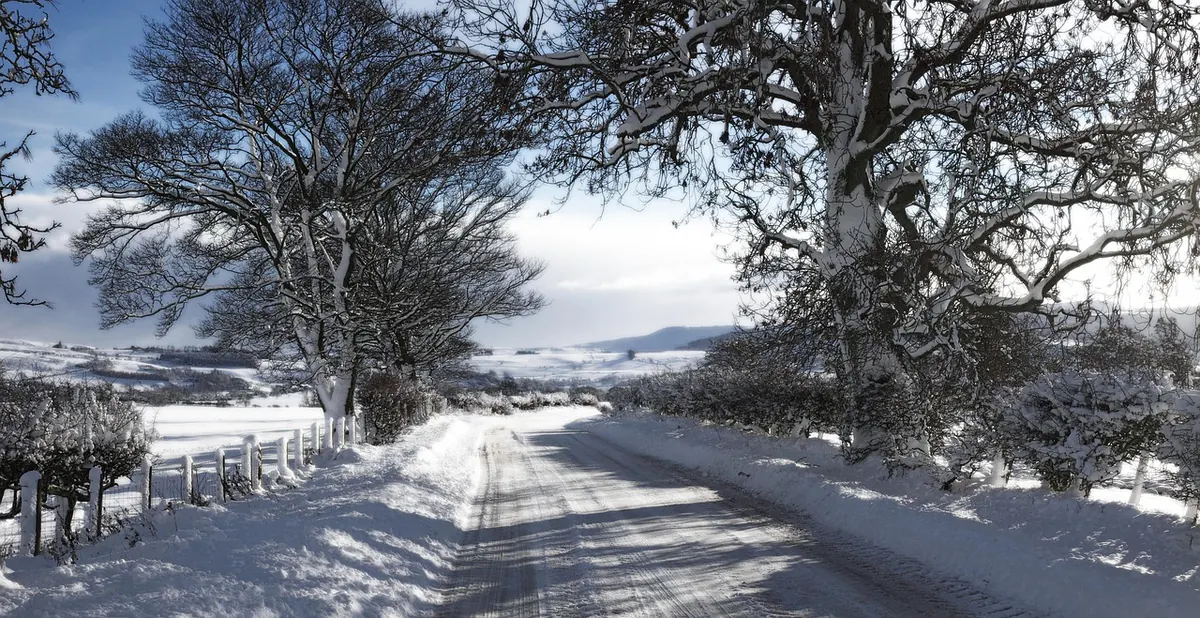
A hedgerow is the hardest-working strip of habitat most of us will ever own. In one boundary it can offer nesting cover for dunnocks and blackbirds, berries for redwings and fieldfares, nectar for bees emerging from winter, and a corridor that lets hedgehogs and voles move about without crossing open ground. Get the species mix right, plant it well, then leave the secateurs alone for most of the year, and it will keep paying you back for decades.
This checklist covers the three decisions that matter more than anything else: what to plant, when and how to plant it, and when to cut. It works just as well for filling a four-metre gap in a garden as for restoring a long field boundary.
1. Choose native species, and plenty of them
Native shrubs support far more insect life than laurel, leylandii or box, and those insects are what feed the birds. A mix of five to eight species gives you flowers and fruit across the seasons, and a hedge that weathers disease or a bad year better than a single-species run.
- Hawthorn — the backbone of most country hedges. May blossom, deep red haws, dense thorny growth that suits nesting birds.
- Blackthorn — our earliest blossom, often out before the leaves, so it feeds bees waking from winter. Sloes follow in autumn.
- Hazel — catkins in late winter, nuts in autumn, and it responds well to hard cutting.
- Field maple — a compact native tree that suits hedgerows, with good autumn colour and seeds for finches.
- Dogwood, spindle and guelder rose — summer flowers, brilliant autumn foliage, berries into winter.
- Holly and wild privet — dense evergreens that give cover in the coldest months.
- Dog rose and honeysuckle — climbers that scramble through the structure, offering hips, berries and nectar for moths.
Leave out the thugs: cherry laurel, snowberry, rhododendron and anything that spreads or casts deep shade beneath it. A hedge should be crowded, not smothered.
2. Plant bare roots between November and March
Bare root whips are cheaper, establish better than container-grown plants in most soils, and are only sold while dormant. Order in autumn for delivery from November onwards, and plant on a mild, damp day when the ground is neither frozen nor waterlogged.
Preparing the ground
Clear a strip at least a metre wide either side of the planting line. Grass and nettles compete hard with young whips. Fork the soil over, dig out perennial weeds, and work in well-rotted compost on heavy clay. Don't add fertiliser: rich ground pushes soft, sappy growth rather than the dense, thorny structure you want.
Planting, step by step
- Space plants 30–45cm apart in a single row, or about 40cm apart in a double staggered row for a thicker hedge more quickly.
- Soak the roots for ten minutes while you lay the whips out along the line.
- Plant at the same depth the shrub was growing in the nursery — the old soil mark on the stem is your guide. Too deep, and the bark below ground can rot.
- Firm the soil around the roots with your heel, then water thoroughly.
- Mulch 5–8cm deep with bark or well-rotted manure, keeping it clear of the stems.
- Fit spiral guards or a small fence if rabbits, hares or deer are about.
Water through the first two summers, particularly in dry spells. After that, most natives on decent soil will look after themselves.
3. Cut at wildlife-friendly times
A tightly clipped hedge is a poor hedge. Cut every few months and it never carries much flower or fruit, and the thick base that small mammals need never develops.
Late winter: the main cut
Do the bulk of your trimming between February and early March, before birds begin nesting. The berries have been eaten by then, the hedge is still dormant, and regrowth will be strong and dense.
Spring and summer: hands off
From March to August, leave it alone. Nesting birds are protected by law in the UK, and cutting during the growing season removes the flowers and fruit the hedge exists to produce. Your tasks are limited to watering new plants and checking guards and tree ties.
Autumn: light touches only
Autumn cutting strips out berries just as hungry thrushes and redwings arrive. If a branch hangs over a path or gate, cut that branch and leave the rest.
Cut on rotation
Where you can, cut only a third of the hedge each year, on a three-year cycle. There will always be a section flowering, fruiting and offering cover. Trim to a domed profile — wider at the base than the top — so light reaches the bottom and the hedge doesn't go bare and leggy.
4. Gap it up, lay it, and leave a rough edge
If your hedge has holes, plant hawthorn or hazel whips into them in winter and mulch well. For a long, overgrown boundary, hedge laying is the traditional answer: it thickens the base and renews growth for decades. If you would rather not learn the craft yourself, local hedge-laying groups and contractors often take on winter work.
The simplest improvement of all costs nothing. Keep a rough, tussocky grass margin along the base. Don't strim right up to the stems and don't spray the bottom metre. That strip is where hedgehogs, voles and slow-worms live, nest and hunt.
5. Your first-year checklist
- Order bare root whips in autumn for winter delivery.
- Plant between November and March, in a double staggered row where space allows.
- Water through the first two summers; mulch to hold moisture and suppress weeds.
- Trim in late February, never later than early March.
- Leave the hedge completely alone from March to August.
- Cut a third of the hedge each year, not all of it.
- Gap up any holes in winter; check guards and ties twice a year.
- Keep a rough grass margin at the base.
If you are considering removing a hedge rather than managing it, speak to your local authority first — many are covered by the Hedgerows Regulations or by planning conditions. And if the hedge is shared with a neighbour, a quick conversation before you cut saves a great deal of trouble later.
One winter's planting, a few well-timed cuts and a little patience: that is the whole formula. Within three or four years you will have a boundary that flowers in spring, feeds birds in autumn and shelters something small and unseen all winter long.
Photo: marsh4029 / Pixabay