How to Report a Dead Badger in the UK: A Practical Checklist
Finding a dead badger at the roadside is never a pleasant moment. It is also, awkwardly, a moment when most people are driving past at fifty miles an hour, late for something, and unsure whether anyone actually wants to know. The short answer is yes. Badger records feed into real conservation work, and reporting one takes less time than making a cup of tea — once you know who to contact and what to note down.
This checklist walks through the practical side: staying safe, gathering useful details, choosing the right contact, and handling the situation sensibly if you are on foot.
Before anything else: road safety
Badgers are killed on roads throughout the year, but the numbers rise in late winter and spring, when adults are ranging more widely, and again in early summer when cubs begin to explore. That means many casualties are found on fast rural A-roads and lanes with poor visibility and no verge to speak of.
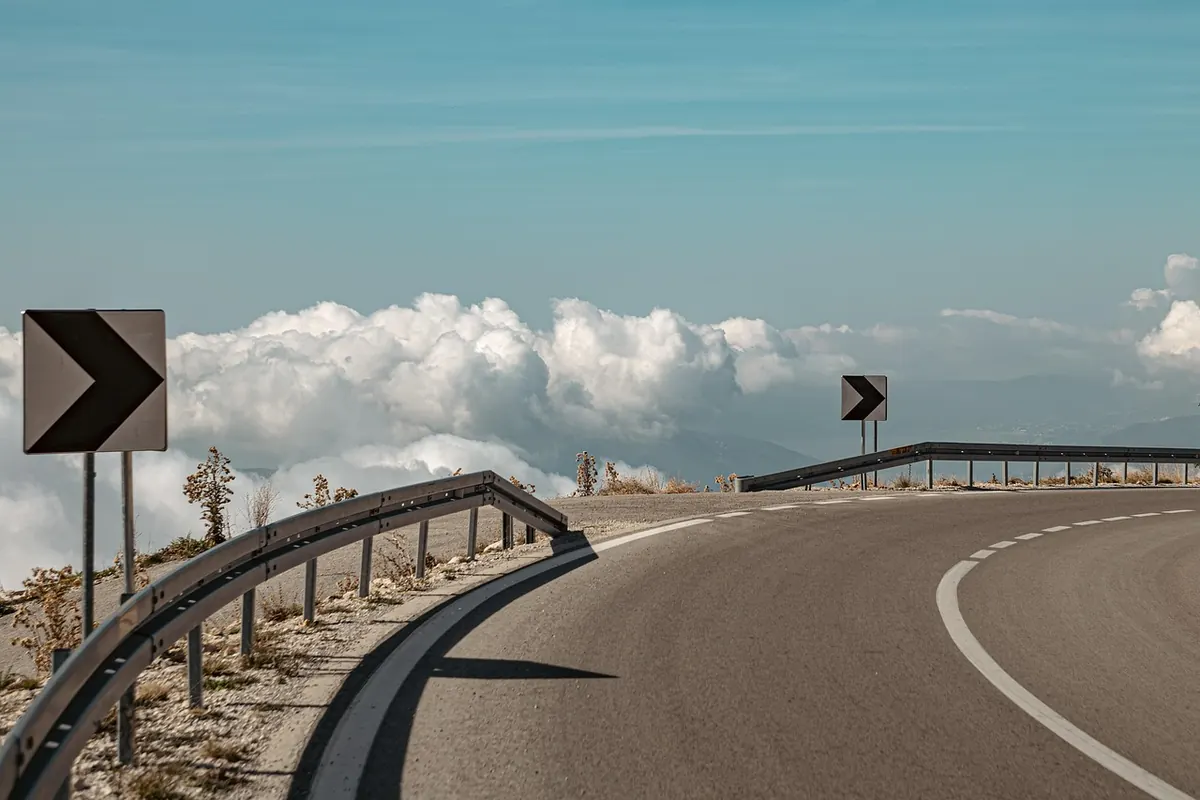
Your own safety comes first, and it is not negotiable. Do not stop on a busy road, in a blind bend, on a narrow bridge or anywhere with no safe place to stand. Do not step into a live carriageway for any reason. Pulling over on a dual carriageway or motorway is dangerous and, in most circumstances, illegal — leave it and report the location instead.
If you can stop safely — a lay-by, a wide verge, a quiet lane with good sightlines — then:
- Switch on your hazard lights and park well away from the traffic flow.
- Put on a high-visibility jacket if you carry one. Many drivers do not.
- Approach from the verge side, never from the carriageway.
- Keep children and dogs in the vehicle.
- If the animal is on the road itself and traffic is moving, stay back. Note the spot and report it.
What to note down
Even if you cannot stop, a report has value. Wildlife recorders and badger groups want the same handful of details every time, so if you can only remember three things, make them location, date and what you saw.
The essentials
- Location. Be as precise as you can. A grid reference is ideal, but a road name, nearest junction, postcode of a nearby property, or a what3words reference all work. "The A-road between two villages" is far less useful than "on the westbound verge, 200 metres past the turning for the farm".
- Date and approximate time. Today, yesterday evening, sometime last week — say which.
- What you saw. Badger, or possibly badger? An adult or a cub? Fresh or long dead? If you are unsure of the species, say so honestly. A misidentified record is more damaging than no record.
- Whether it is still there. Carcasses are moved, scavenged or cleared quickly. Noting this helps others decide whether a visit is worthwhile.
- Your contact details if you are happy to be contacted for clarification.
Identifying a badger
Badgers are stocky, low-slung and broad across the shoulders, with a distinctive face: white stripes running from nose over the head, black patches around the eyes and ears. The body fur is coarse and greyish, the legs short and dark. Road casualties are often seen from above and behind, in poor light, so a grey hump with a pale stripe is usually the giveaway.
Two common confusions are worth mentioning. A dead hedgehog looks nothing like a badger at close range but can be mistaken at speed in the dark. A fox is slimmer, with a long bushy tail and a pointed face. If in doubt, take a photograph from a safe position — from inside your vehicle is often easiest — and let someone else confirm it.
Who to contact
There is no single national hotline for dead badgers, which is why people get stuck. In practice, you may want to contact more than one organisation, and that is fine. Records that land in several places still do good.
Your local badger group
Most counties have a badger group affiliated with their local wildlife trust or working independently. They usually keep detailed records, know their local road blackspots, and are often the quickest to respond. A web search for your county plus "badger group" will usually find them, and many have an online reporting form.
The local authority or highway authority
For an animal on or beside a public road, the council or the relevant highway authority is responsible for clearance. Many councils have an online form for reporting dead animals, including the location and the species if known. If the road is a motorway or major trunk road, the relevant national roads body handles it instead. Clearing a carcass is a practical matter, but the report often becomes a record too.
Recording schemes and biological records centres
County biological records centres and national wildlife recording schemes collect casualty data. They are interested in every record, not just notable ones. If you have the details to hand, submitting there adds your sighting to the wider picture of where badgers are and where they are dying.
If the badger is alive but injured
An injured badger is a different situation and needs a different response. Do not attempt to handle it yourself. A frightened, injured badger can bite hard, and badgers are protected by law. Contact a wildlife rescue or your local badger group immediately and follow their advice. If the animal is on a road, tell the emergency services if it is causing a hazard to traffic.
Biosecurity and handling
Bovine tuberculosis is a genuine consideration in badger work in parts of the UK, and there are also more everyday risks such as ticks, fleas and general infection from any dead animal. If you are asked by a badger group or a researcher to help — for example, to check whether a carcass is still present — follow their instructions and do not improvise.
General precautions, if you ever have a legitimate reason to get close:
- Do not touch the carcass with bare hands.
- Use disposable gloves and avoid any contact between the animal and your face.
- Wash hands thoroughly afterwards, and change or clean clothing that has touched it.
- Keep dogs away and on a lead. Badgers carry parasites that can pass to pets.
- Never move a carcass into your vehicle without specific guidance.
Badgers and their setts are protected by law, and that protection extends to dead animals in some circumstances. If you are in any doubt about what is permitted, or about the legal position in your part of the UK, seek advice from the relevant statutory body or a specialist wildlife organisation before acting.
Why records matter
A single report of a dead badger can look like nothing more than a sad note in a spreadsheet. Multiply it by thousands of people doing the same thing over years, and it becomes something considerably more useful.
Casualty records help identify road stretches where badgers are repeatedly killed. That evidence can support calls for mitigation — underpasses, fencing, changes to verge management or signage — because it shows a pattern rather than a one-off. Records also help map where badgers are present in a county, which matters for planning decisions, survey work and licensing. And they give conservationists an early warning when something changes: a sudden cluster of deaths in one area may point to disturbance, disease or a new road layout.
None of this works if the records never get made. The person driving past is the only source of that information. There is no automatic system picking it up.
A quick checklist to keep
- Stop only if it is safe. Never on a fast or blind road.
- Note the location as precisely as possible, plus the date.
- Photograph if you can do so safely.
- Report to your local badger group, the council or highway authority, and a records centre.
- Do not handle the animal without guidance and proper protection.
- Keep dogs away and wash up afterwards.
It takes a few minutes, and it adds something real to the picture of how badgers are faring in your area. If you have reported one before and never heard back, that is normal — many records are logged quietly rather than answered. They still count.
Photo: took_a_snap / Pixabay